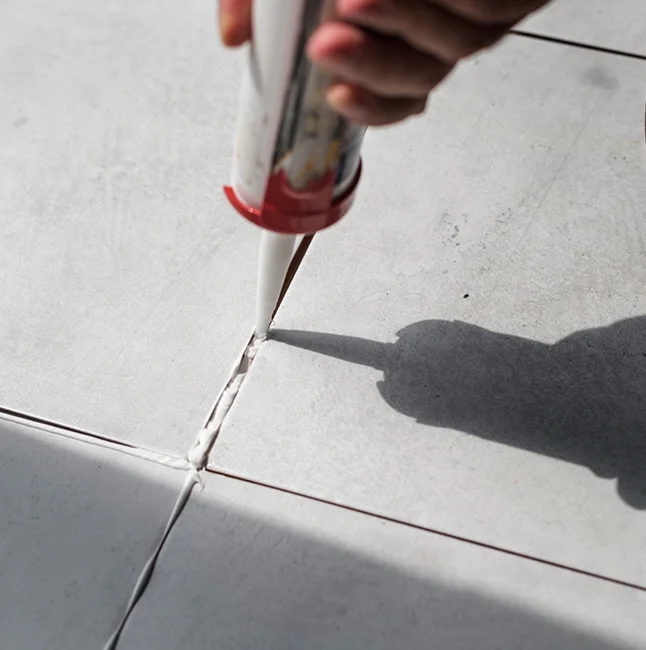

Bonding Adhesive
concrete over an existing concrete surface using a bond coat in between. Two weeks later, the new concrete started to crack and separate. What could have caused this and how do we prevent it in the future?
Similar to browning plaster, bonding plaster is also considered as an undercoat on which other things are added. However, due to its versatility, it is more popular for building as it has an awe-inspiring sticking ability. Therefore, it is generally used on all sorts of surfaces, even engineering blocks, and concrete. Also, it doesn’t depend on the absorption levels of a surface to be effective, which makes it the ideal wall plaster. And just like browning plaster, bonding is usually applied at 8mm for ceilings and 11mm for walls.
TWO TYPES OF BOND COATS
Although bond coats can be based on a number of different polymer chemistries—acrylic, polyvinyl acetate (PVA), vinyl acetate/ethylene (VAE), styrene butadiene (SBR), or various copolymers—they are all de by ASTM C1059 as either Type I or Type II. These are the most important differences for contractors to know. All bond coat products should be labeled clearly as ASTM C1059 Type I or Type II.
- Applied by brush or spray
- Bonding agent for old concrete with new
- Epoxy based
- Acrylic Polymer Based